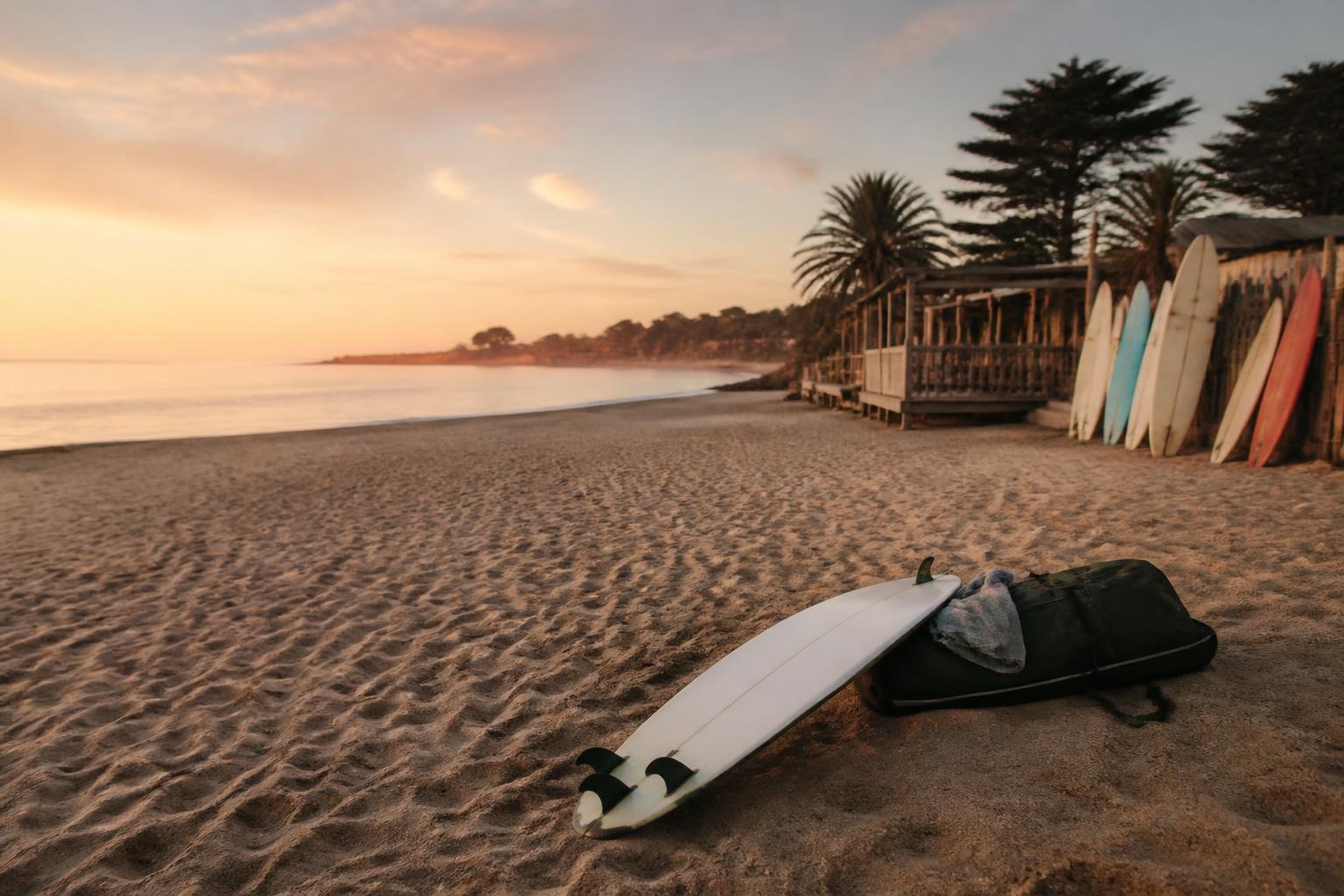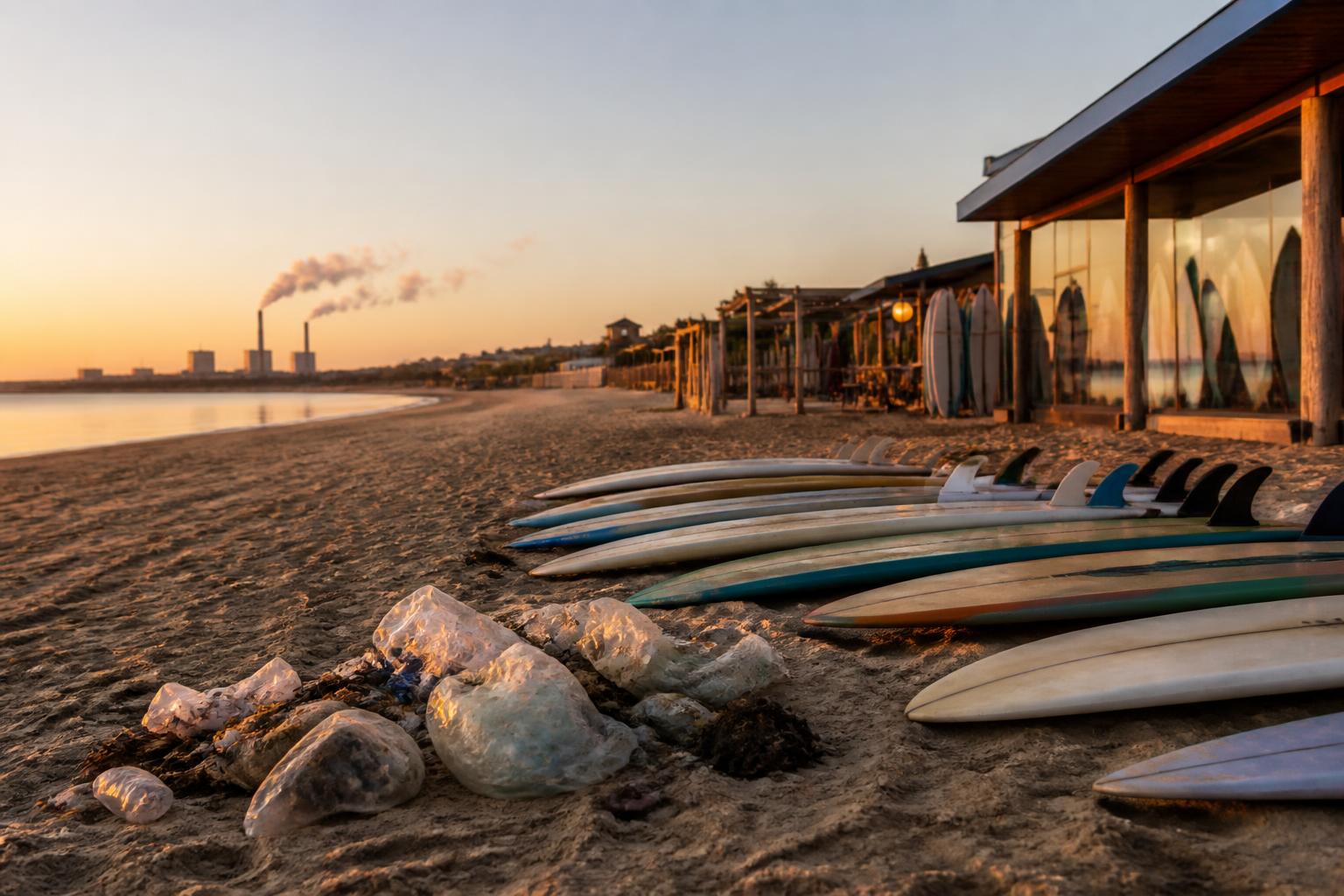
In Hossegor, La Gravière is more than just a beautiful beach in the Landes region: it is a global landmark for lovers of fast barrels, thick lips, and powerful swells. This surf spot, located on the seafront between downtown Hossegor and the northern beaches, gets its character from shifting sandbanks that vary greatly in slope depending on the season. When the Atlantic wakes up, they turn a well-angled swell into punchy peaks, with rights and lefts that can rival the power of a reef break, despite the entirely sandy bottom.
Its reputation is well deserved, but it calls for clear judgment. La Gravière can be magical at manageable sizes, then become genuinely intimidating once the sets exceed two meters. Experienced surfers come here looking for a proper barrel; the curious discover a striking spectacle from the sand. For a beginner surf, the right choice is to learn at La Sud, La Nord in small conditions, or in certain areas of Capbreton before taking on this legendary peak. A successful session always starts with a patient read of the ocean: tide, current, wind, and sandbank position set the rules here.
La Gravière in Hossegor: How It Works, Access, and Best Conditions
La Gravière is located on the Atlantic coast of Hossegor, right near shops, beach bars, and the promenade. It is easy to reach on foot from downtown; by car, parking spaces are available along the seafront and on nearby streets. In July and August, arriving early remains the best strategy: parking fills up quickly, while the first morning window often brings a sea less disturbed by the thermal breeze. 🚗
The playground is a beach break, meaning a wave that breaks over sandbanks. Do not mistake a sandy bottom for easy conditions: at La Gravière, the bank can be shallow, steep, and constantly changing. West to northwest swells come cleanly onto the coast, then focus over the underwater contours. The Gouf de Capbreton, a nearby marine canyon, influences how energy travels through the area; it contributes to the zone’s powerful potential, without making every day automatically perfect.
Swell, Wind, and Tide: Reading the Signs Before Paddling Out
The best sessions often appear with a west or northwest swell between 1.2 and 2.5 meters, a sufficiently long period, and an offshore east wind. This land wind smooths the wave faces and delays the break: it is the recipe for the clean barrels that made La Gravière famous far beyond the Landes region. With a period over 14 seconds, power increases very quickly; its “clean” appearance from the beach should never make you forget the weight of the lip.
Tide plays a decisive role. The spot often works best on a mid-tide ebb, when the bank begins to channel the water without being too exposed. At high tide, some areas lose their slope and do not break as well; at low tide, the shore break and shallow water can make wipeouts much more severe. With a tidal range that regularly exceeds three meters along the Landes coast, a quality window may last only two hours. That is why checking swell alerts for surfers is a useful complement to observing from the sand.
| Reference Point 🌊 | Favorable Conditions | Effect on the Session |
|---|---|---|
| Swell | West to northwest, 1.2 to 2.5 m | ⚡ Hollow, fast peaks |
| Wind | Light to moderate east | 💨 Smoother faces, better shape |
| Tide | Mid-tide ebb | ⏱️ Sandbank often performs better |
| Season | September to November | 🍂 Consistent swells and water that is still comfortable |
Fall remains the prime season for experienced surfers: the water stays around 18 to 20°C early in the season, swells become more organized, and the atmosphere turns electric when weather conditions line up. The Quiksilver Pro France, a major stop on the Championship Tour until 2019, played a major role in cementing the spot’s place in contemporary surf history. Even today, local events and high-level sessions keep that aura alive. At La Gravière, reading the spot is already part of the performance.
Surfing at La Gravière: required skill level, surf gear, and safety
La Gravière is primarily for surfers who can get through an active break, commit to a hollow wave without hesitation, and handle a wipeout in shallow water. Beyond 1.5 meters, it generally becomes a surf spot for advanced to expert surfers. The challenge is not limited to the takeoff: the wave accelerates immediately, the lip can close out violently, and getting back out requires cardio, good positioning, and real control of your line.
A concrete example helps illustrate the difference in skill level. Camille, a fictional intermediate surfer used to one-meter waves at La Nord, can technically stand up on an unbroken wave. At La Gravière at 1.8 meters, however, she must anticipate a more vertical entry, greater speed, and a heavier impact. The smart choice is not to “give it a try and see,” but to choose Les Culs Nus, Les Bourdaines, or Capbreton depending on the size. Lasting progress comes from stacking good waves, not bad scares. 🧭
Choosing a board suited to powerful waves
At a solid La Gravière, a high-performance shortboard with a little extra volume makes paddling and commitment easier. A surfer used to a 29-liter board may, for example, prefer 31 or 32 liters when sets become more spaced out and powerful. A round tail or squash tail offers an effective balance between hold and maneuverability. Expert riders can opt for a slightly longer step-up to make takeoffs safer in bigger conditions.
- 🏄 Board: sturdy shortboard, step-up when the size increases; avoid gear that is too light or undersized.
- 🔗 Leash: reliable model suited to the board’s length, with a spare in the car.
- 🧴 Wax: cool- to cold-water formula depending on the season, applied to a clean, dry surface.
- 🧥 Wetsuit: 3/2 mm from June to September; 4/3 mm in fall and spring; 5/4 mm, hood, and booties in winter.
- ☀️ Protection: water-resistant sunscreen, preferably with a marine-friendly formula.
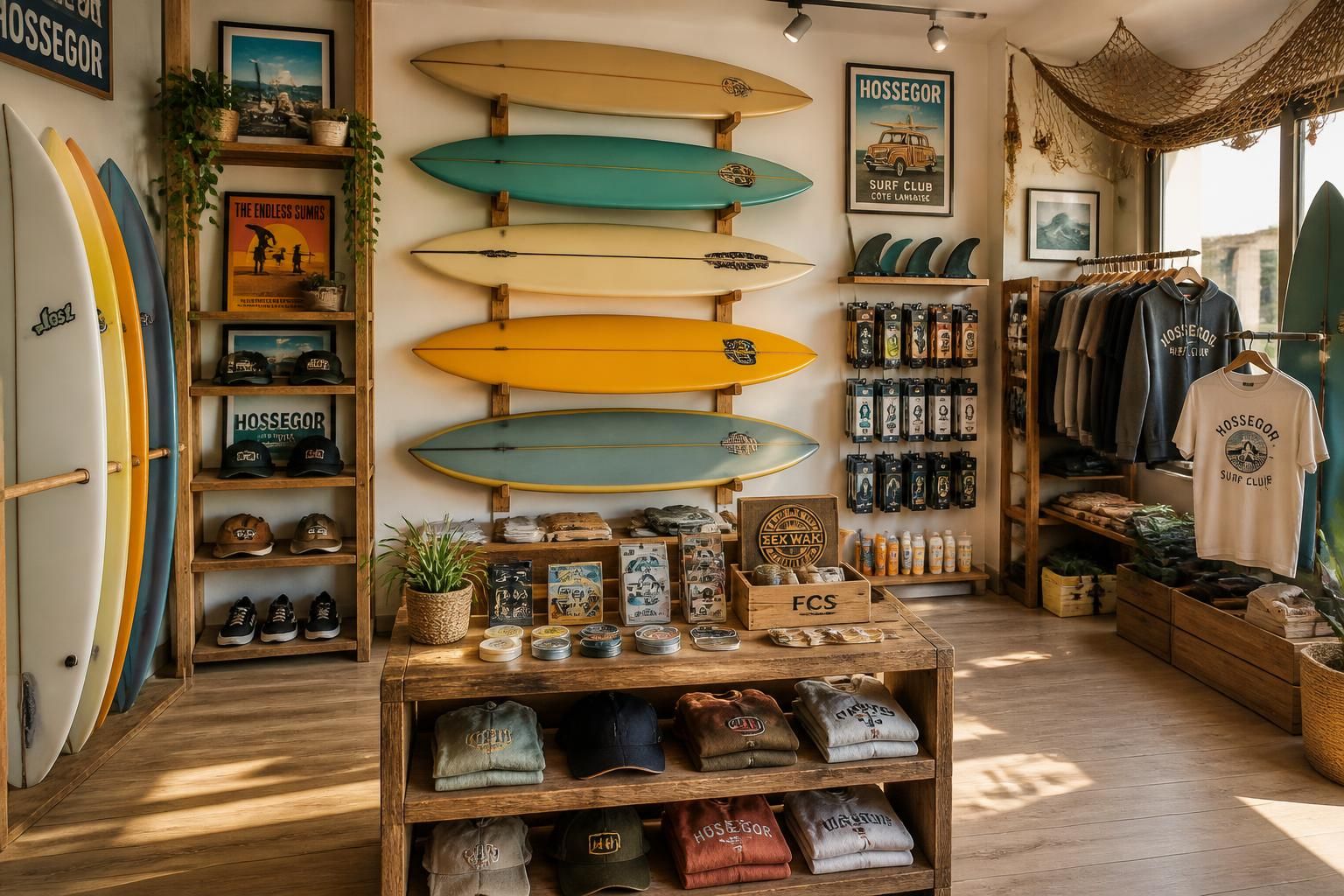
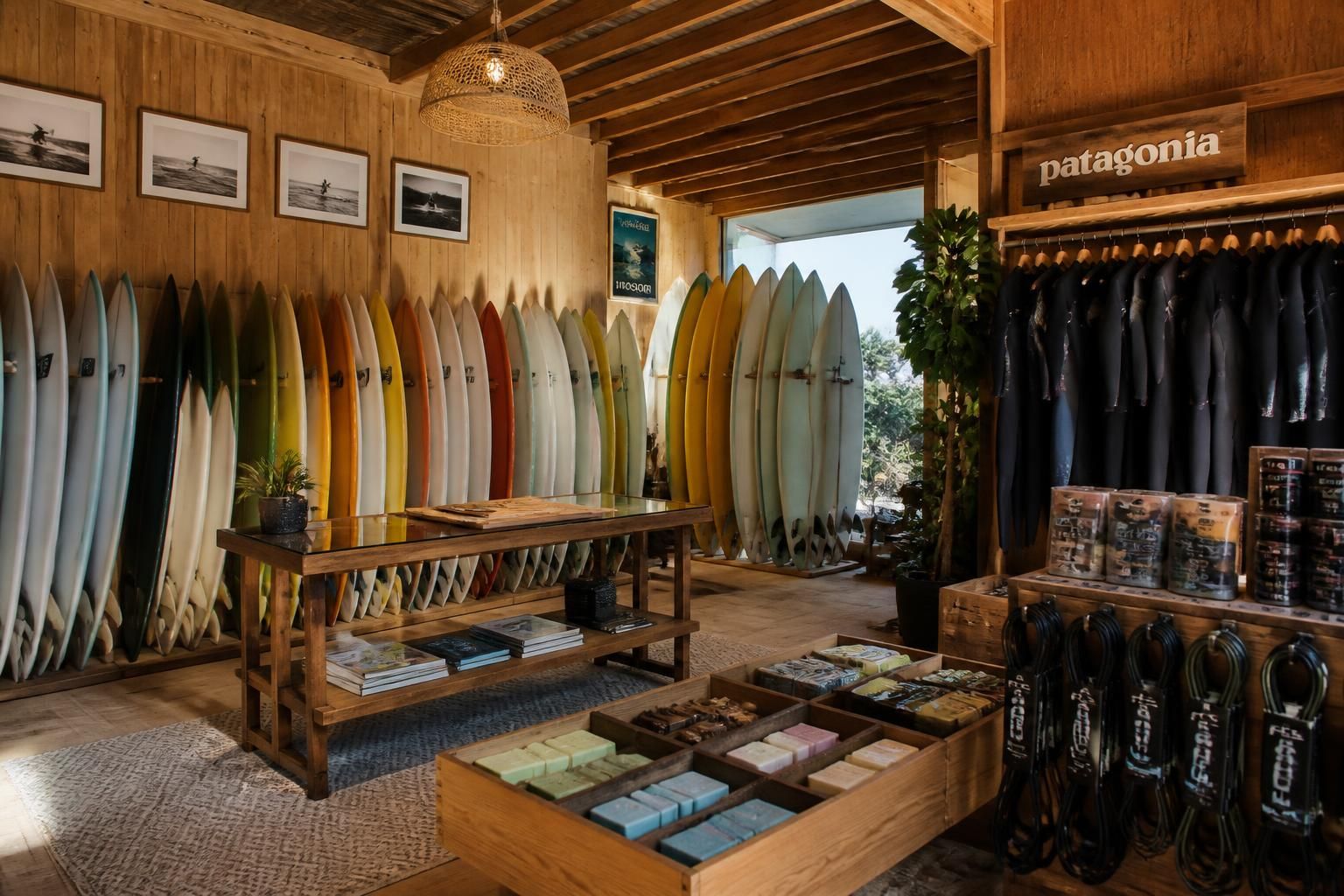
To rent or fine-tune your gear, local shops offer a wide selection of foam boards, mini-malibus, fish, and performance boards. Travelers without a board bag can, for instance, seek advice from a surf shop in Hossegor specializing in boards before selecting a model. A suitable board reduces fatigue and improves decision-making: two valuable advantages when the ocean sets the pace.
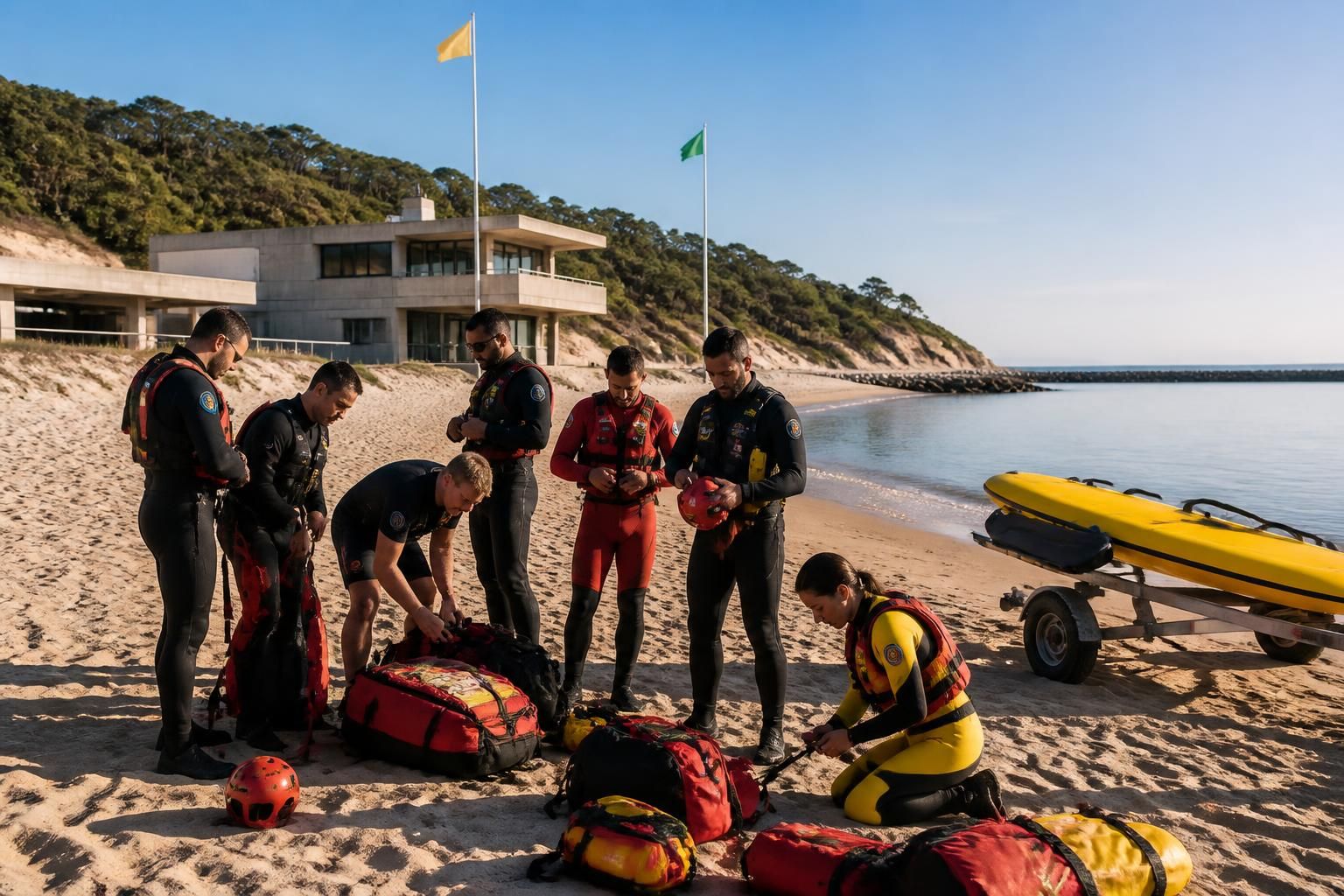
Surf safety also depends on etiquette. The surfer closest to the peak has priority; it is essential not to drop in on the same wave, not to snake another rider, and to communicate when a peak breaks both ways. Rip currents, visible as darker patches of water or foam streaming out to sea, require calm. If caught in one, paddle parallel to the shore rather than fighting directly against the current. If in doubt, a lifeguarded beach and 112 remain essential points of reference. Choosing to get out of the water is always better than ending up in a situation beyond your control.
Preparing for a surf session in Hossegor and respecting the local spirit
The most appealing conditions are not enough: a session at La Gravière should be prepared by checking the forecast, wind trends, tide times, and the visual state of the sandbar. The 6 to 8 a.m. window often draws fewer people and benefits from lighter winds. In fall, offshore mornings can deliver glassy seas; conversely, an afternoon west breeze quickly degrades the wave faces. Watching for twenty minutes from the dune helps identify the channel out, the main peak, and the biggest sets. That time is never wasted. ⏰
🌊 Reading conditions
Where to surf around La Gravière?
Enter the forecast conditions to get spot guidance, a recommended wetsuit, and key safety practices to follow.
Nearby alternatives and useful services around the beach
Hossegor and its neighboring spots let you stay in the water without pushing your luck. Les Culs Nus offers several peaks and is better suited to intermediate surfers who can handle a green-wave takeoff. La Sud, sheltered by the Capbreton harbor structures, is a much more logical option for beginner surfing, especially in summer when schools supervise first rides. La Piste and Les Estagnots can also be excellent, but they remain serious once the swell builds.
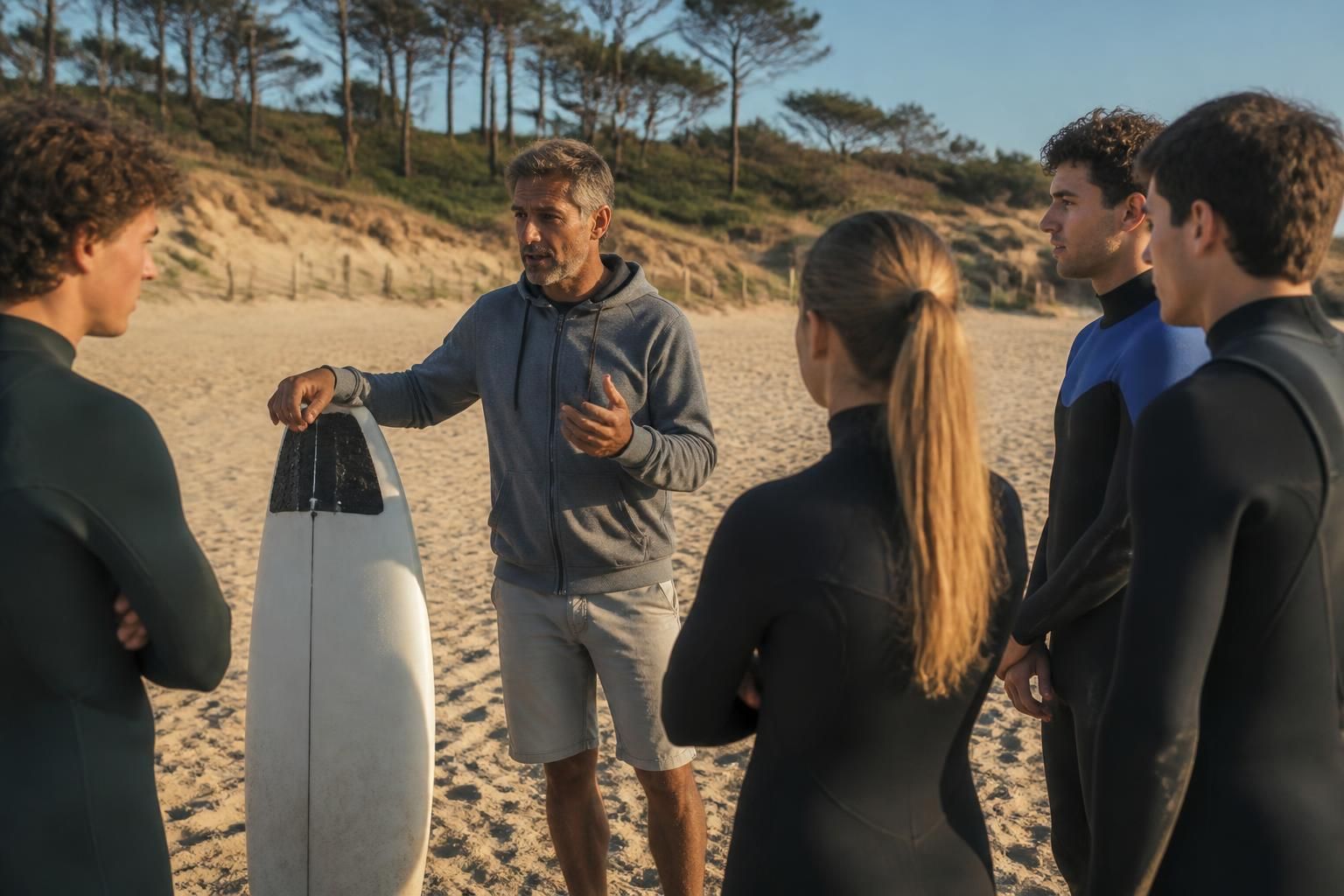
The town has many schools, rental shops, and repair workshops. A two-hour group lesson typically costs between 40 and 60 euros, equipment included; private lessons allow more focused work on paddling, wave reading, or lineup positioning. To plan a stay, a surf weekend in Hossegor, Landes can easily be combined with campgrounds, surf houses, apartments, and downtown restaurants. Booking ahead is especially useful in summer and during major sporting events.
La Gravière’s identity also rests on a close-knit community. Historic brands, shapers, amateur competitions, and regulars along the seafront create a vibrant culture, without granting anyone special privileges. Respecting the locals means waiting your turn, not interfering with the line of a committed surfer, and accepting that a crowded peak does not forgive rushed behavior. Everyone must take their trash, cigarette butts, and packaging with them: the dunes and ocean are not a garbage can. 🌿
Adaptive surfing is also part of this culture of openness: local organizations and dedicated initiatives show that wave riding can be shared through practices and equipment tailored to each person’s needs. The true Landes spirit is found in this blend of technical skill, mutual support, and respect for the coastline. At La Gravière, the best session is one that preserves the safety of others and the beauty of the beach.
Is La Gravière suitable for beginners?
No, this beach break quickly becomes powerful and technical. Beginner surfers should opt for La Sud, certain areas of Capbreton, or a supervised session with a surf school.
What is the best time of year to surf at La Gravière?
September and October often offer the best balance of consistent swells, favorable east winds, and still relatively warm water. Winter is for highly experienced surfers only.
What wetsuit should you wear in Hossegor?
A 3/2 mm is generally suitable from June to September. A 4/3 mm is suitable in spring and fall, while a 5/4 mm with booties, gloves, and a hood is necessary in winter.
How should you react in a baïne?
Stay calm and do not fight directly against the current. Paddle parallel to the beach to get out of the channel, then return toward shore diagonally if necessary.